
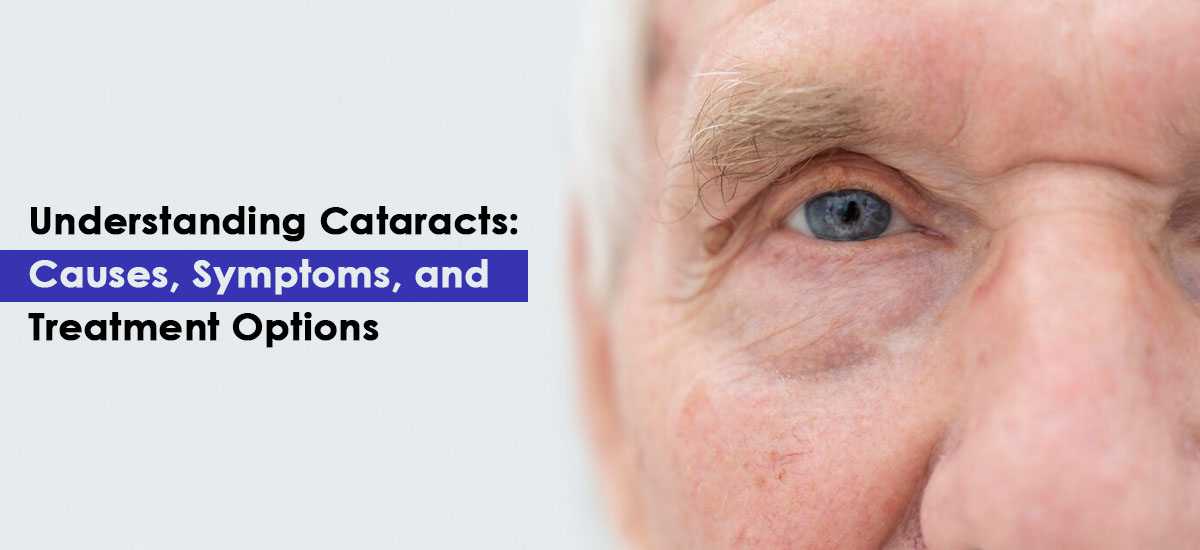
Understanding Cataract – Symptoms, Causes and Treatment
Cataract is one of the most common eye conditions affecting millions of people worldwide, especially as they age. It occurs when the natural lens of the eye becomes cloudy, leading to blurred or reduced vision. Although cataracts develop slowly, they can eventually interfere with daily activities such as reading, driving, or recognizing faces. The good news is that cataracts are treatable, and modern ophthalmology offers safe, effective solutions for restoring clear vision.
What is a Cataract?
A cataract forms when the normally clear lens of the eye becomes cloudy. This clouding blocks or distorts the passage of light, making vision appear blurry, dull, or hazy. Cataracts usually progress gradually, but if left untreated, they can lead to significant vision loss.
Common Symptoms of Cataract
Cataract symptoms can vary from person to person, depending on how advanced the condition is. Some of the most common signs include:
1. Blurred or Cloudy Vision
Vision may appear foggy or unclear, similar to looking through a frosted window.
2. Fading or Yellowing of Colours
Colours may appear dull, faded, or yellowish due to changes in the lens.
3. Sensitivity to Light and Glare
Bright sunlight, headlights, and indoor lighting may feel uncomfortable or cause halos around lights.
4. Difficulty Seeing at Night
Night driving becomes challenging due to reduced contrast and clarity in low-light conditions.
5. Frequent Changes in Prescription
If you find yourself needing new glasses often, it could be a sign of an early cataract.
6. Double Vision in One Eye
Some patients experience double or multiple images in one eye.
What Causes Cataract?
Cataracts typically develop due to natural aging, but several factors can increase the risk. The common causes include:
1. Ageing
Most cataracts develop slowly over time as the proteins in the lens break down.
2. Genetics
A family history of cataracts can increase your chances of developing them.
3. Diabetes
People with diabetes often develop cataracts earlier than others.
4. Excessive Sun Exposure
Prolonged exposure to UV rays can accelerate cataract formation.
5. Smoking & Alcohol
Both habits are linked to early cataract development due to oxidative stress.
6. Eye Injury or Surgery
Any trauma to the eye can lead to a cataract.
7. Long-term Use of Steroid Medication
Certain medications may cause cataracts as a side effect.
Diagnosis of Cataract
An ophthalmologist performs a detailed eye examination to diagnose cataracts. This includes:
- Vision assessment
- Slit lamp examination
- Retinal evaluation
- Measurement of lens clarity
- Tests to determine how cataracts affect daily life
Treatment Options for Cataract
Cataracts cannot be treated with medicines or eye drops. The only effective treatment is cataract surgery, which removes the cloudy lens and replaces it with a clear artificial lens (IOL).
1. When is Surgery Needed?
Surgery is recommended when cataracts start affecting daily activities like reading, driving, or recognizing faces. It is a safe, painless, and highly successful procedure.
2. Modern Cataract Surgery Methods
The latest techniques used by ophthalmologists include:
Phacoemulsification (Phaco Surgery)
A minimally invasive technique where ultrasound waves break up the cloudy lens, which is then replaced with an artificial lens.
Laser-Assisted Cataract Surgery
A more precise approach using advanced laser technology for lens removal and corneal incisions.
3. Types of Intraocular Lenses (IOLs)
Patients can choose from different IOL options depending on their lifestyle and vision needs:
- Monofocal IOLs – clear distance vision
- Multifocal IOLs – vision at multiple distances
- Toric IOLs – correct astigmatism
- EDOF (Extended Depth of Focus) IOLs – improved intermediate vision
Recovery After Cataract Surgery
Recovery is usually quick. Most patients experience improved vision within a few days. Post-surgery instructions typically include:
- Using prescribed eye drops
- Avoiding rubbing the eye
- Keeping water out of the eyes
- Avoiding heavy lifting or strenuous activity for a short period
Can Cataracts Be Prevented?
While cataracts cannot always be prevented, healthy habits can delay their progression:
- Wear UV-protective sunglasses
- Maintain good blood sugar control
- Quit smoking
- Eat antioxidant-rich foods (leafy greens, fruits, nuts)
- Schedule regular eye exams
Cataracts are a natural part of aging, but they don’t have to limit your vision or your lifestyle. With timely diagnosis and advanced treatment options, patients can enjoy clear and comfortable vision again.
If you are noticing symptoms or want a professional opinion, consulting an experienced ophthalmologist like Dr. Amrita Sawhney in Delhi can help you take the right steps toward healthier vision.